Waves CLA-76 vs. UAD 1176: Which Compressor Should You Use on Vocals?

This post contains affiliate links. If you buy through them, I may earn a small commission at no extra cost to you.
I rap quiet in some parts and lean into the words in others. That difference is part of the take. But if one loud word makes me reach for the vocal fader, I want to catch that word without taking the life out of the line around it. That's the job I'd give an 1176-style compressor.
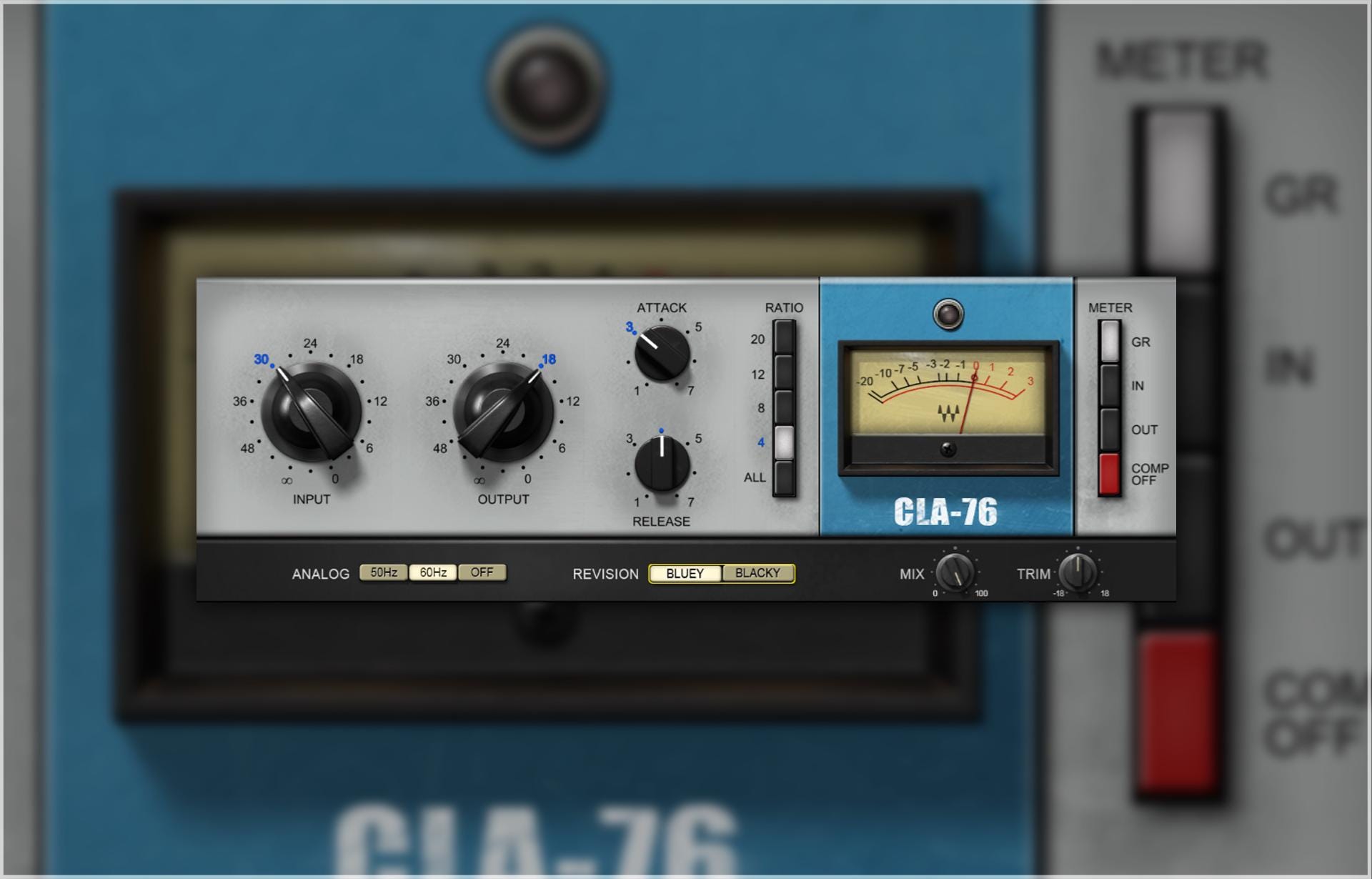
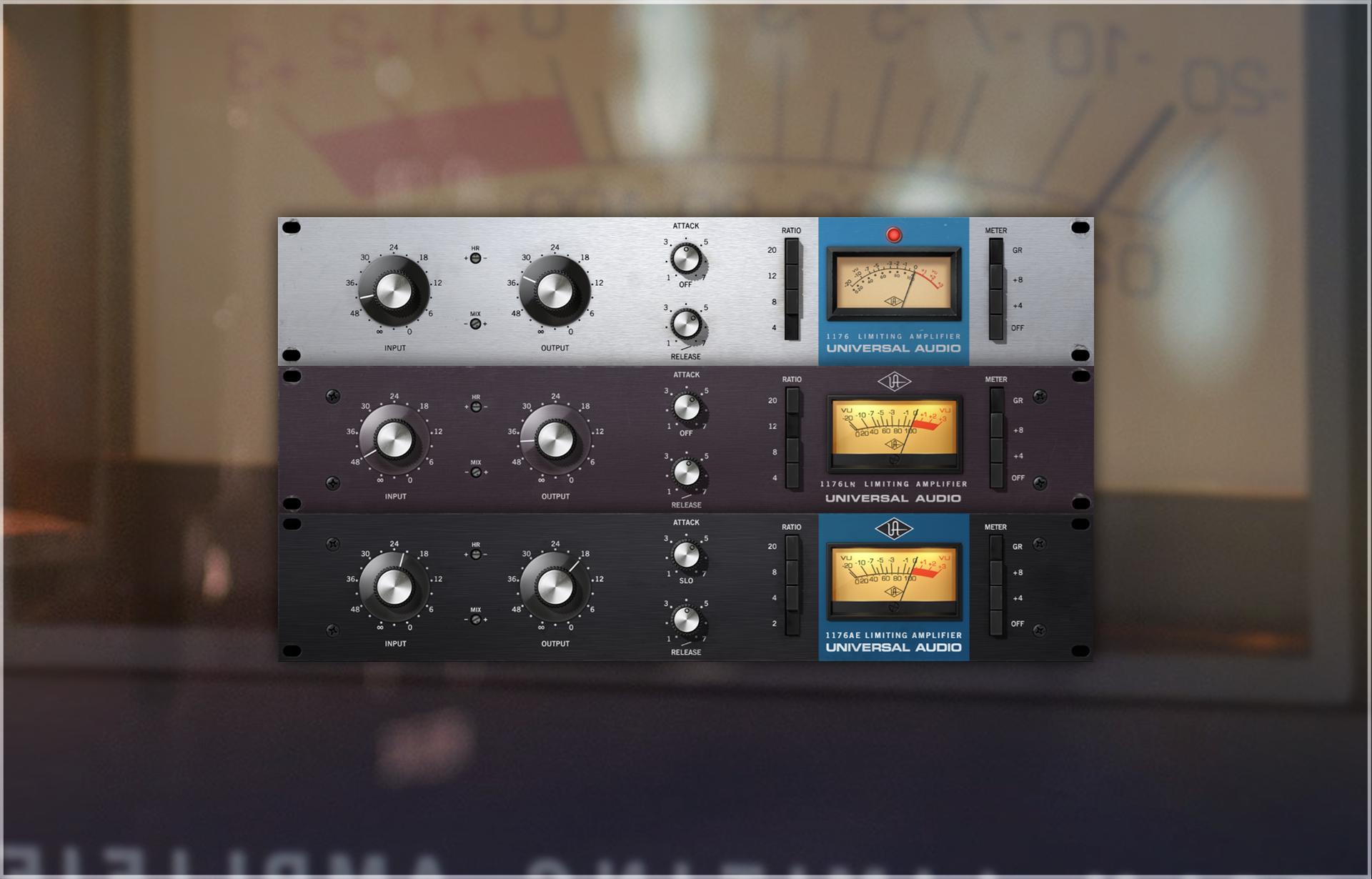
My quick pick: If you already have the Waves CLA-76, start with Blacky at 4:1 and see how much work it takes to get the lead sitting right. If you already own the UAD 1176 Classic Limiter Collection, start with Rev E. The main reason I'd consider buying the UAD collection for this job is the 1176AE. Its 2:1 ratio and optional slower attack give you two more ways to let the front of a word through.
Waves CLA-76 vs. UAD 1176 at a glance
| What you're deciding | Waves CLA-76 | UAD 1176 Classic Limiter Collection |
|---|---|---|
| Where to start on a lead | Blacky at 4:1 | Rev E at 4:1 |
| Another flavor to try | Bluey | Rev A Bluestripe |
| Controls worth paying attention to | Mix control for blending the compressed signal with the dry signal | 1176AE offers a 2:1 ratio and a fixed 10 ms slow attack setting |
Check the current price of Waves CLA-76 or see what's included in the UAD 1176 Classic Limiter Collection. On the UA side, look for the full collection if you're shopping for the AE.

Set up the CLA-76 to catch the loud words first
In the vocal chain I use for acoustic rap, the CLA-76 handles the quick peaks before the CLA-2A does the smoother leveling. If the first compressor is already pushing the whole performance down, there's less room to get that balance back with the second one.
Try Blacky at 4:1 with the attack around 3 and the release around 5 as a starting point. On the CLA-76, higher numbers mean faster timing for both knobs. Raise Input until you see roughly 2–3 dB of gain reduction on the louder words, then bring Output back to match the bypassed level. If the consonants disappear into the guitar or beat, slow the attack or back off the Input. If the level swells up between syllables, slow the release a little. Check the meter to see what's happening, then make the call with the instrumental playing.
When the UAD 1176AE is worth trying
Start with Rev E if you want to compare the two in a similar role. Then try the AE when you like the way the lead sits but want to keep more of the initial consonant. Start with 2:1, adjust Input again, and listen. Then switch to the 10 ms attack setting and level-match again. Trying those changes one at a time makes it easier to hear what actually helped.
Listen to the first word after a pause. If it starts to jump out again, go back to a faster attack. If the vocal sits in place and you can hear the shape of the word more clearly, keep the slower setting. That tells you more about whether the extra model is useful to you than cycling through all three on a soloed track.
A quick Pro Tools test on the same vocal
- Loop four bars with a quiet line and a louder one. Duplicate the lead with its clip gain and any processing before the compressor. Bypass downstream compression and sends while you compare, and audition one lead at a time.
- Put Blacky on one track and Rev E on the other. Set both to 4:1 and adjust Input separately so the same loud words show roughly similar gain reduction. Matching knob positions alone can give you different results.
- Match the perceived playback level with Output or a trim after each plugin. Switch between tracks with the beat or guitar playing. Listen for whether you can still hear the quiet line and whether a loud consonant makes you want to turn down the lead.
- If you're considering the AE, swap it into the UAD track and repeat the test. Then bring any downstream leveling and effects back in to hear your choice in the full chain.

Which one would I buy for vocals?
If I were building the acoustic rap chain above from scratch and wanted one fast compressor for the first stage, I'd start with the CLA-76. If I already had Rev E in my session and the lead sat where I wanted it, I'd keep using it. I'd put money toward the UAD collection if the AE solved a problem I could hear on my own vocal, or if I wanted all three models for other sessions too.
Keep building your vocal chain
Hear the kind of vocal I'm talking about
Put on “Phases” and listen to how close the lead feels against the guitar. That's the kind of balance I'm after when I compress a vocal. If that's your lane, I put more of it in This Is Acoustic Rap.
Hear more of my music: Find “Phases,” “Every Time We Sing,” and the rest of my catalog on your streaming platform.
Building a Waves chain? See the Waves subscription options if you're shopping for several tools.
Releasing your own music? I distribute mine through DistroKid.
Keep in touch: Join my mailing list for new songs and studio tips.