
How Loud Should Vocals Be in a Mix? (dB + LUFS Cheat Sheet for Artists)

If you're anything like I was when I first started recording, you've probably asked this question at least a dozen times:
“How loud should vocals be in a mix?”
I remember bouncing early versions of my songs on cheap headphones, confused why my vocals either sounded too buried or way too loud. As a rapper, songwriter, and mixing engineer, I’ve spent years obsessing over vocal balance — especially when the beat knocks.
Now I’m breaking it down in a way that's simple, actionable, and actually works — whether you’re a beginner or finally leveling up your home studio in 2025.
🎚️ What dB Should Vocals Be in a Mix?
Let’s start with the basics.
A good target for vocals peak level is –18 dBFS to –10 dBFS. That’s where most engineers recommend tracking and mixing your vocals.
Why?
Because around –18dB, your vocals have enough headroom to avoid distortion — but still cut clearly through the mix.
I personally shoot for vocals that peak between –12dBFS and –10dBFS, especially in melodic rap and R&B mixes. That gives the vocal space to breathe without overpowering the beat.
LUFS: Modern Loudness Matters
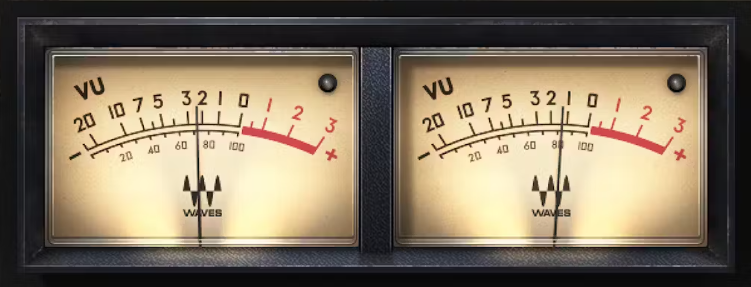
Once you’re past the dB peak levels, let’s talk LUFS. This is how loudness is measured for platforms like Spotify, Apple Music, and Amazon Music.
For full mixes, –14 LUFS integrated is the streaming standard. But your vocal loudness in the mix LUFS should sit around –16 to –12 LUFS, depending on genre.
For example, I usually go a little louder in emotional tracks, especially songs like “All Away”, where the vocal carries the pain and presence.
Should Vocals Be Louder Than the Beat?
Short answer? Yes — most of the time.
Long answer?
Your vocals should be 1–3 dB louder than the main beat elements, depending on the track.
For rap, I mix the vocals just loud enough to sit on top of the 808s and kick without competing.
For softer R&B or melodic tracks, I sometimes push the vocal even higher.
I’ve learned this balance by comparing my mixes to songs on Amazon Music — not just listening but really analyzing how artists balance vocals against drums, instruments, and effects.
Vocal Automation vs Loudness
Here’s a trick that changed my entire workflow:
Use volume automation (or a plugin like Vocal Rider) to bring up low phrases and control spikes without crushing dynamics.
If you don’t automate your vocals, you’ll end up chasing average loudness by over-compressing — and that sucks the life out of your mix.
I use Waves Audio plugins in nearly every vocal mix. From DeEsser to R-Vox to Vocal Rider — it’s my go-to vocal chain for emotion, clarity, and control.
Common Mistakes I Used to Make (So You Don’t Have To)
- Making vocals too loud during mixing, then dropping them in mastering
- Leaving vocals too soft and hoping mastering will fix it
- Using reference tracks without checking their loudness levels
Honestly, I used to mix on cheap earbuds in my car just trying to get vocals “sounding right.” But once I started watching the meters and understanding LUFS, everything clicked.
Now I check levels with proper metering plugins, reference my mixes on Amazon Music, and use tools like Waves to shape everything cleanly.

Dylan Droll’s Process: From Emotion to Execution
When I’m working on a song, I always ask:
What emotion am I trying to get across?
Because that determines how loud the vocal should be.
For personal songs — like “Almost” or “All Away” — the vocals are raw and upfront. I want the listener to feel every word.
If you’re recording at home, you don’t need a $2,000 mic or fancy gear to get this right. You just need ears, experience, and the right tools:
- 🎛️ Waves Plugins (Free Trial) — vocal chains I trust
- 🎧 Amazon Music — reference songs and inspiration
- 🚀 DistroKid — once your mix is done, drop it worldwide
- 🛒 My Amazon Storefront – Studio Essentials
Some Honest Words to Wrap This Up
If your vocals aren’t hitting right in the mix, don’t stress. Most of us get it wrong at first — I definitely did.
But each mix teaches you something new. And once you start listening with intention and using proper meters, plugins, and reference tracks, your whole sound levels up.
I’ve learned the hard way so you don’t have to.
And if you’re just starting your journey, I’ve got tools, music, and real advice to help you get there — one mix at a time.

Written by Dylan Droll
Independent artist, mix engineer, and your favorite music mentor from the internet.
Explore my tools and services: dylandroll.com/services