
Online Mixing vs Studio Mixing — Which One Is Better in 2026?
If you’re an independent artist in 2026, you’ve probably asked yourself this at least once:
“Should I pay someone for an online mix, or should I go into a real studio?”
As someone who’s worked in both — and still records, mixes, and masters music every day — I can tell you the answer isn’t as simple as “one is better.”
The truth is this:
Both online mixing and studio mixing have huge benefits… but one option makes more sense for the phase you’re in.
In this guide, I’ll break down everything you need to know so you can make the right decision for your next release. I used both methods while creating my own music, including my song “HWY.”
What Is Studio Mixing?
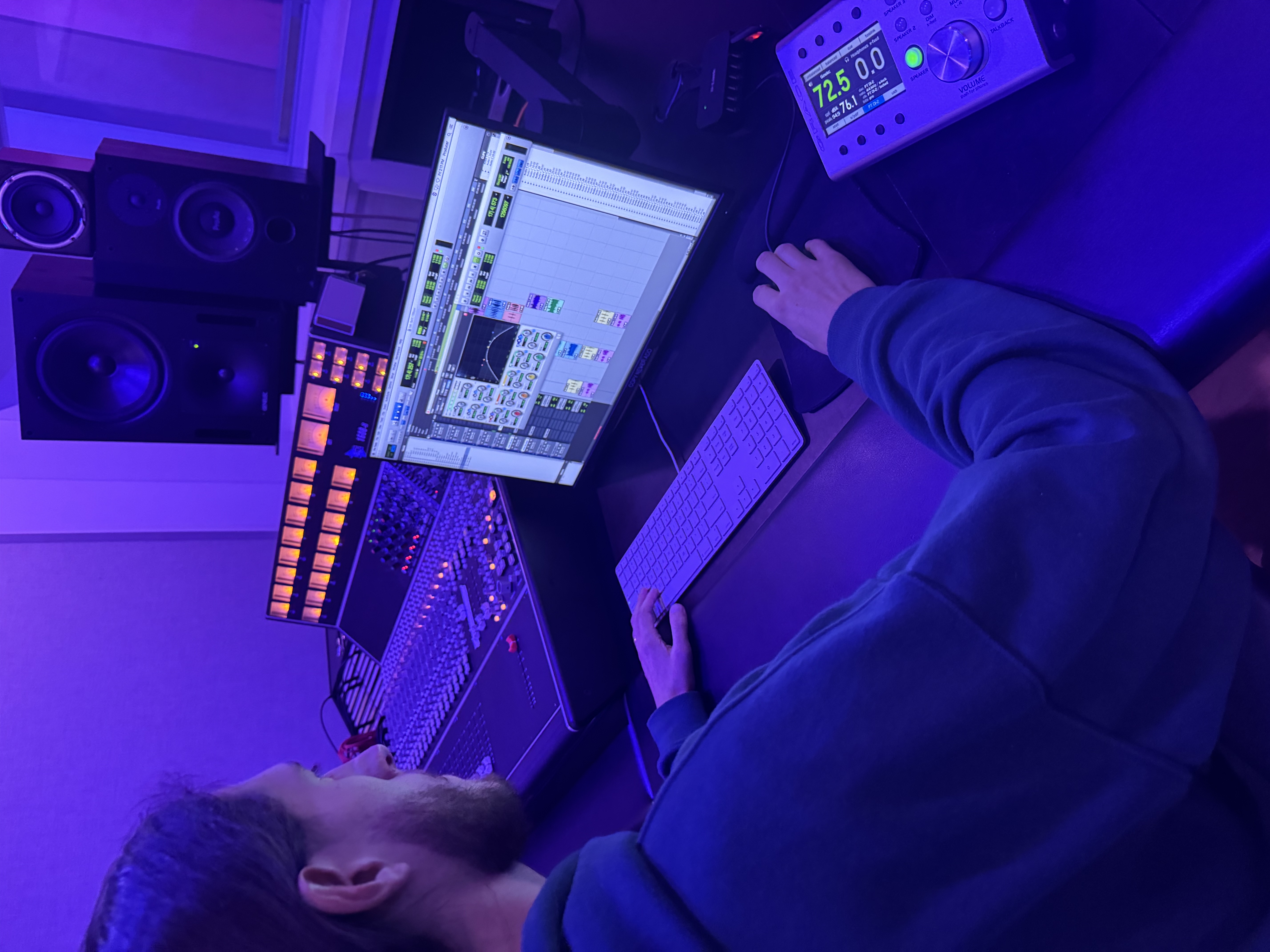
Studio mixing means you’re physically in a professional environment with an engineer, high-end gear, treated acoustics, and accurate monitoring. This is how major artists traditionally work.
In a studio, you get:
- Real-time collaboration with the engineer
- Professional recording spaces with clean acoustics
- High-end speakers that reveal details home setups can’t
- Access to premium hardware & plugins
It’s an amazing experience for artists who thrive in a creative environment or need guidance during the recording process.
What Is Online Mixing?
Online mixing is when you send your stems to an engineer who mixes them remotely — without you needing to physically be in a studio.
It’s becoming more common every year because:
- More artists record at home
- Remote collaboration is easier than ever
- Modern engineers mix inside the box using plugins
And honestly, the quality of online mixing can match or even beat studio mixes when the engineer knows what they’re doing.

Online Mixing vs Studio Mixing — Which Sounds Better?
In 2026, both can deliver industry-level results. The difference isn’t the location — it’s the engineer.
If the person mixing your record is experienced, emotionally tuned-in, and detail-focused… the mix will sound great no matter where it’s created.
I’ve mixed songs in professional studios, on the road, in Airbnbs, and even out of my bedroom — using the same Waves plugins and vocal chains I use today.
Try the Waves tools I use for all my mixes

The Pros of Studio Mixing
- You get live feedback with the engineer right next to you
- Controlled acoustics reveal subtle details
- Creativity flows differently when you're in the room
- Perfect for beginners who need guidance on recording technique
If you’re still learning how to record yourself — or if you need that human presence — studio mixing can speed up your growth.
The Pros of Online Mixing
- More affordable than booking a studio session
- No travel or scheduling — you send stems anytime
- Unlimited revisions depending on the engineer
- Same plugins & tools used in major studios
This flexibility is huge for independent artists who release music consistently.
And with modern tools like Waves L4, SSL EV2, R-Vox, and CLA compressors, remote engineers can deliver studio-quality results from anywhere.
Check out Waves L4 (my go-to limiter for final mastering)

When Studio Mixing Is the Better Choice
Choose studio mixing if:
- You’re new to recording vocals
- You want hands-on guidance during the session
- You feel more creative around people
- You need help capturing clean recording levels
The engineer can adjust your mic technique, help with takes, and shape your performance in real time.
When Online Mixing Is the Better Choice
Choose online mixing if:
- You already know how to record yourself
- You want to stay consistent with releases
- You’re building a catalog and dropping monthly
- You’re working on a budget but still want pro quality
Most independent artists fall into this category.
Which One Do I Use for My Own Music?
Honestly? Both.
I’ve tracked vocals in professional studios with engineers guiding every detail… and I’ve also recorded at home with nothing but my setup, my Waves plugins, and a rough draft of what I wanted the record to become.
My song “HWY” went through both stages — recorded at home, mixed professionally, mastered using the same tools linked in this article.

The Biggest Factor: The Engineer You Choose
Whether you mix online or in a studio, the deciding factor is simple:
Work with someone who understands your genre, your voice, and the emotion behind the record.
Tools matter — but the ear matters more.
Tools I Recommend for Recording, Mixing & Mastering
- Waves Plugins — Free Trials & Deals
- Waves L4 Ultramaximizer — 2026 Limiter
- Auto-Tune — Free 14-Day Trial
- BandLab Membership — DAW, Effects & Mastering
- My Home Studio Gear List
- CapCut Pro — Lyric Videos & Promos
- DistroKid — Release Your Music Everywhere
Hear My Work & Join the Calling Home Records Community
- Listen to my single “HWY”
- Listen to “All Away”
- Best of Dylan Droll — Spotify Playlist
- Join the Calling Home Records Discord
- Hire me for Mixing, Mastering & Vocal Production
Thanks for reading. Whether you choose online mixing, studio mixing, or a mix of both — the important thing is you’re showing up, creating, and releasing your story. Keep going.