
How Auto-Tune Took Over the Music Industry (And What That Means for Artists Like Us)

Before Auto-Tune became one of the most controversial tools in music, it was just a weird, geeky invention made by an oil engineer trying to analyze seismic data.
No, really. The software that now defines modern rap, pop, R&B, and even country was originally designed to find oil. In 1997, a guy named Dr. Andy Hildebrand—who used to work in geophysics—took his signal processing code and applied it to pitch correction. That turned into the first version of Auto-Tune by Antares.
And just like that, music was never the same.
The First Time the World Heard Auto-Tune
Most people think of T-Pain when they hear Auto-Tune. But the first huge mainstream moment came from an artist you might not expect: Cher.
Her 1998 hit “Believe” used Auto-Tune as an obvious effect for the first time, creating that robotic, otherworldly vocal tone. At the time, Antares didn’t want anyone using it like that—it was supposed to be invisible pitch correction. But artists broke the rules… and won.
T-Pain, Kanye, Future, Travis: The Wave Begins
Once Auto-Tune’s doors were kicked open, it spread like wildfire through hip-hop and pop culture. T-Pain turned it into a signature sound. Kanye used it to pour pain into 808s & Heartbreak. Future made it cold and robotic. Travis made it psychedelic. Lil Uzi made it emotional. Juice WRLD made it feel like heartbreak on melody.
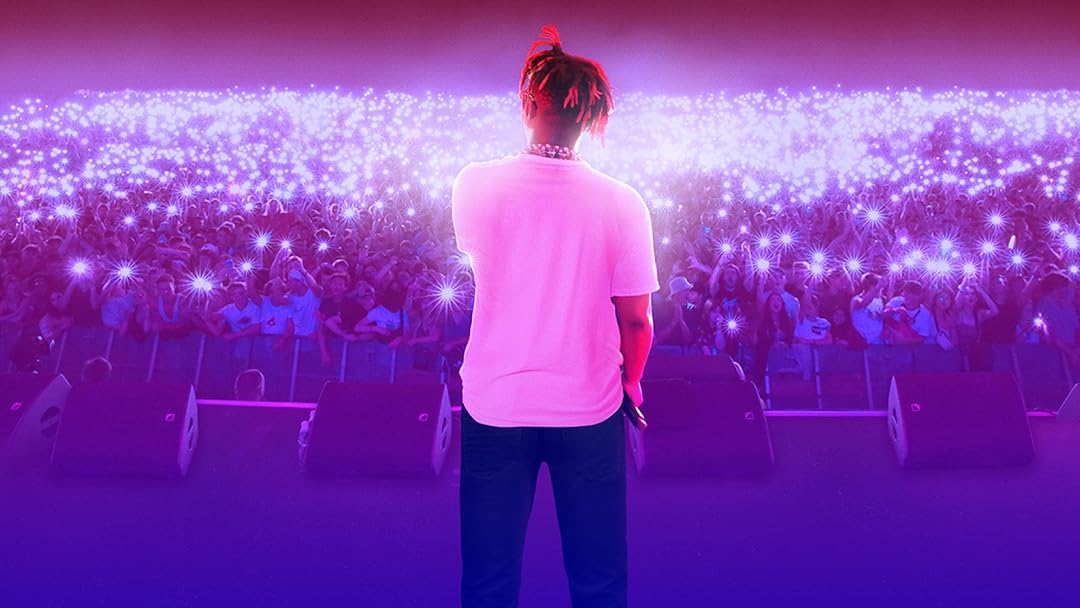
And now? It’s a staple. Love it or hate it, you can’t avoid it.
Why Artists Use Auto-Tune (And Why I Still Do)
Some people still think using Auto-Tune is “cheating.” That argument’s kinda tired. For most of us, it’s not about fixing bad vocals—it’s about unlocking a sound.
There are moments when you write a line and it just hits harder with a slight pitch glide or a robotic touch. It becomes part of the emotion. You can sound soft, broken, unhinged, or spaced-out… all depending on how you dial in that retune speed and humanize.

I used Auto-Tune Pro on my song “All Away” to amplify that lonely, numb feeling. It wasn’t about sounding perfect—it was about feeling real through something digital.
The Evolution of Auto-Tune in 2025
Auto-Tune isn’t just a one-trick effect anymore. Today, Antares offers an entire suite of tools:
- Auto-Tune Pro: Real-time pitch correction + detailed graph mode
- Auto-Tune Artist: Live and tracking-focused version
- Auto-Tune Access: Budget-friendly version for beginners
- Auto-Tune Slice: Creative sampler with tuned vocal slicing
You can even automate pitch FX with MIDI, tune in scale or chromatically, or blend natural singing with wild pitch movement. The creative ceiling is way higher now.
Auto-Tune vs Other Plugins: Why It Still Reigns
There are other pitch plugins out there—like Waves Tune or Melodyne—but Auto-Tune still reigns supreme when it comes to real-time tuning and creative control.
I’ve used Waves for budget sessions, but when I want the vocal to really lock in and feel modern without sounding overdone, I grab Auto-Tune Pro every time. You just can’t replicate that feel.

Gear I Pair with Auto-Tune (On a Budget)
If you want to record with Auto-Tune like I do, you don’t need a crazy expensive setup. Here’s a gear list I recommend for new artists, all beginner-friendly and tested in my own sessions:
Pair that setup with Auto-Tune Access or Pro, and you’ll have a clean path from raw vocals to pro sound.
Hear Auto-Tune in Action
I’ve built an entire playlist of songs where I’ve used Auto-Tune in different ways—some emotional, some raw, some spacey.

🎵 Listen: Dylan Droll Auto-Tuned Playlist (YouTube Music)
Final Thoughts (From a Real Artist)
Auto-Tune didn’t ruin music. It remixed the rules. It became the sound of pain, flex, heartbreak, and evolution—all depending on who’s behind the mic. And now in 2025, it’s one of the most important tools in an artist’s creative arsenal.
If you’ve never used it, I highly recommend trying it—even just to hear yourself differently. And if you’re already using it? Keep experimenting. That’s where the magic lives.

💡 Tools to Build Your Own Sound
- Stream Unlimited Music on Amazon
- Try Waves Plugins for Free
- Release Your Music Worldwide (DistroKid)
- Create Lyric & Promo Videos (CapCut)
- Try Amazon Prime Free (6 Months for Students)
– Dylan Droll 🃏